%2Ffit-in%2F250x250%2Fguide_websites%2F8396%2Fimages%2F1767595254390logo-icon.png&w=1920&q=100)
//users/f339f429-c81e-40e9-9e1a-4d161f0b84a1/ratecard/capt.rodneysanders2.0.png)
%2Ffit-in%2F300x300%2Fusers%2Ff339f429-c81e-40e9-9e1a-4d161f0b84a1%2Fratecard%2Fcapt.rodneysanders2.0.png&w=256&q=75)
%2F300x300%2Fusers%2Ff339f429-c81e-40e9-9e1a-4d161f0b84a1%2Fimages%2Fstunning-scenery-madhya-pradesh-3177.jpeg&w=256&q=75)
%2F300x300%2Fusers%2Ff339f429-c81e-40e9-9e1a-4d161f0b84a1%2Fimages%2Ffishing-madhya-pradesh-2348.png&w=256&q=75)
%2F300x300%2Fusers%2Ff339f429-c81e-40e9-9e1a-4d161f0b84a1%2Fimages%2Fbreathtaking-madhya-pradesh-landscapes-2203.png&w=256&q=75)
%2F300x300%2Fusers%2Ff339f429-c81e-40e9-9e1a-4d161f0b84a1%2Fimages%2Ffishing-indore-2342.jpg&w=256&q=75)
%2F300x300%2Fusers%2Ff339f429-c81e-40e9-9e1a-4d161f0b84a1%2Fimages%2Ffishing-fun-indore-2417.webp&w=256&q=75)
%2F300x300%2Fusers%2Ff339f429-c81e-40e9-9e1a-4d161f0b84a1%2Fimages%2Findore-fishing-adventure-2609.webp&w=256&q=75)
World-Class Hunting Adventure with Guidesly Suraj
What you will be catching:
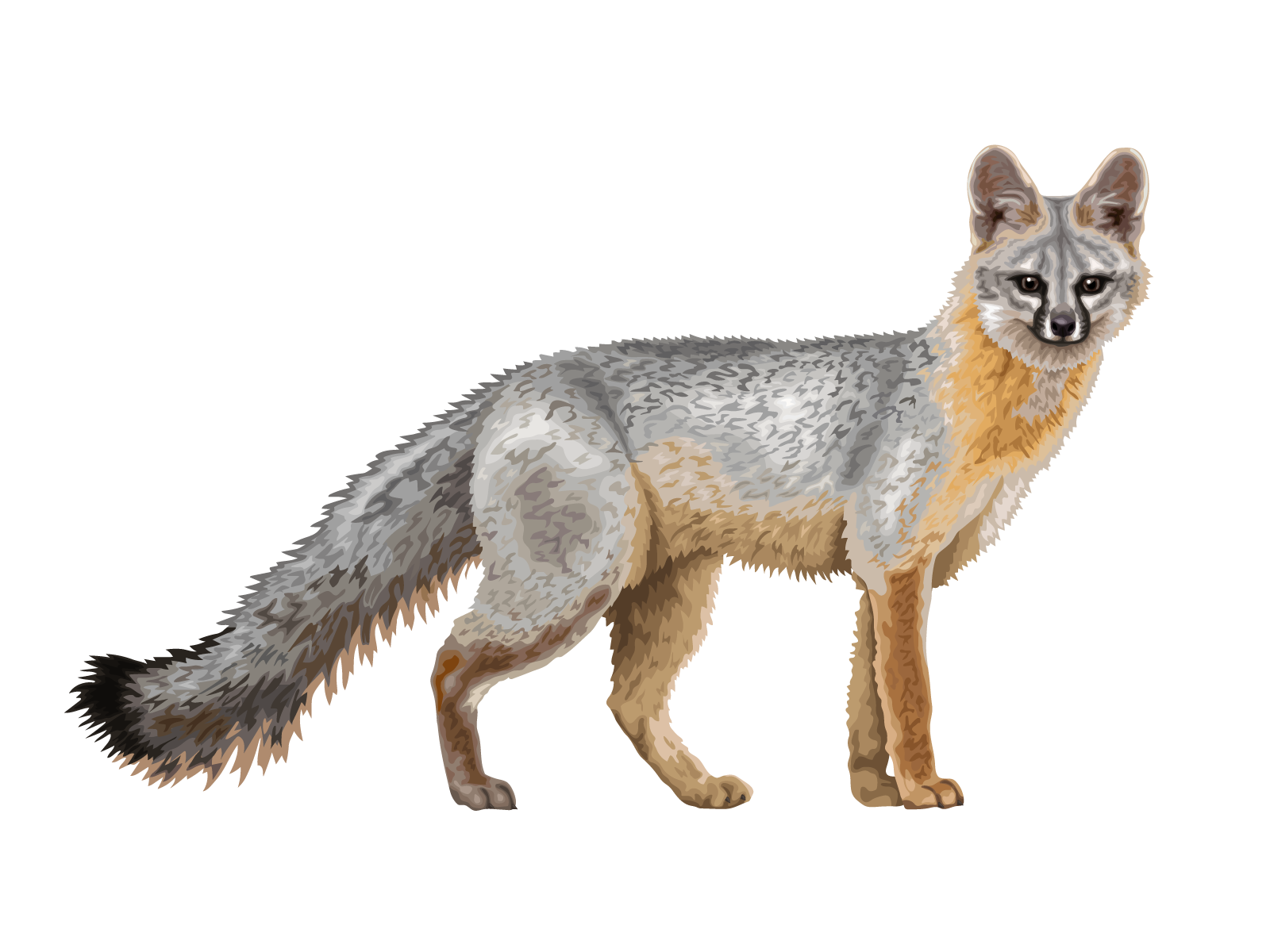 Gray Fox
 Gray Francolin
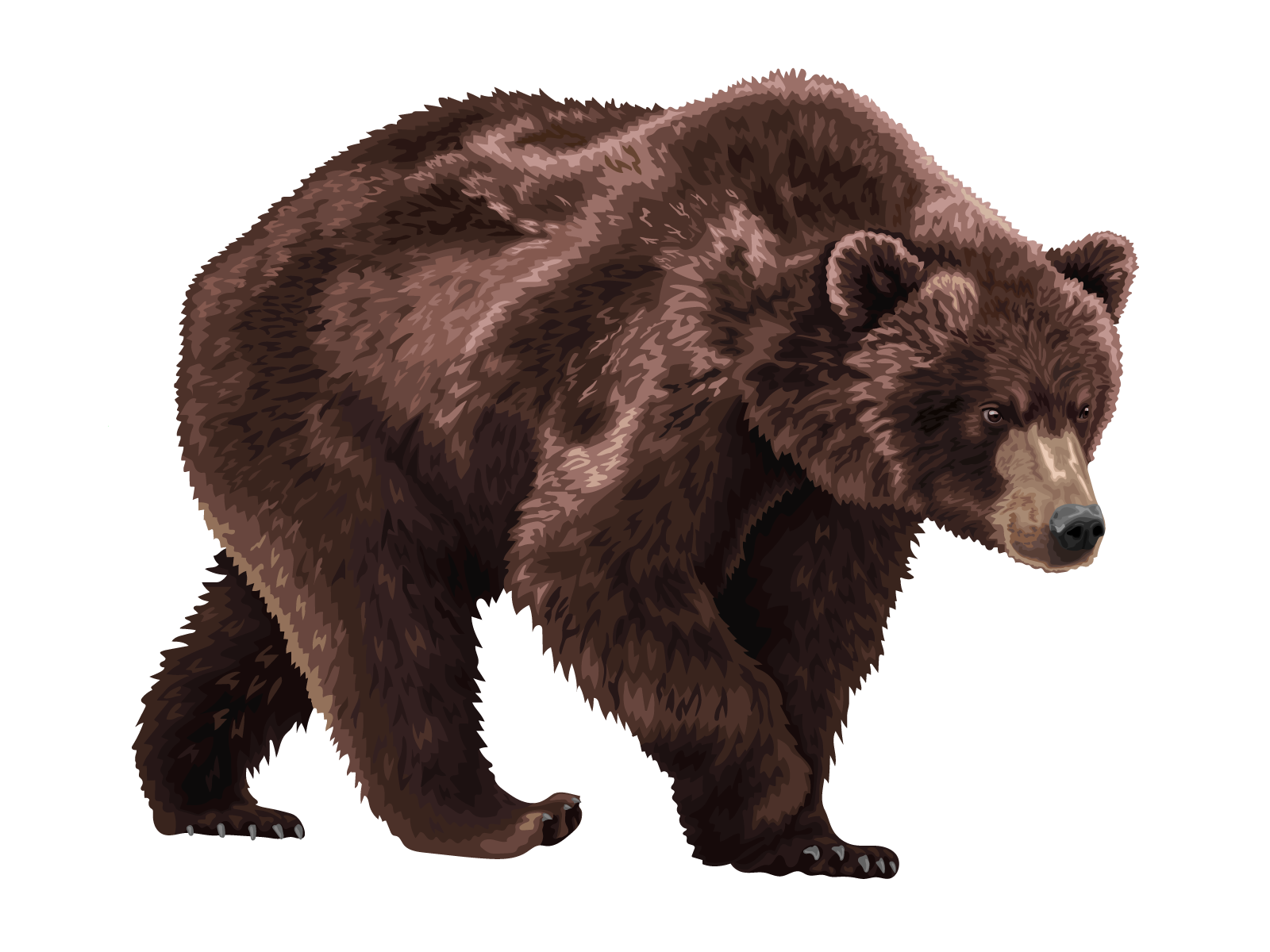 Grizzly Bear
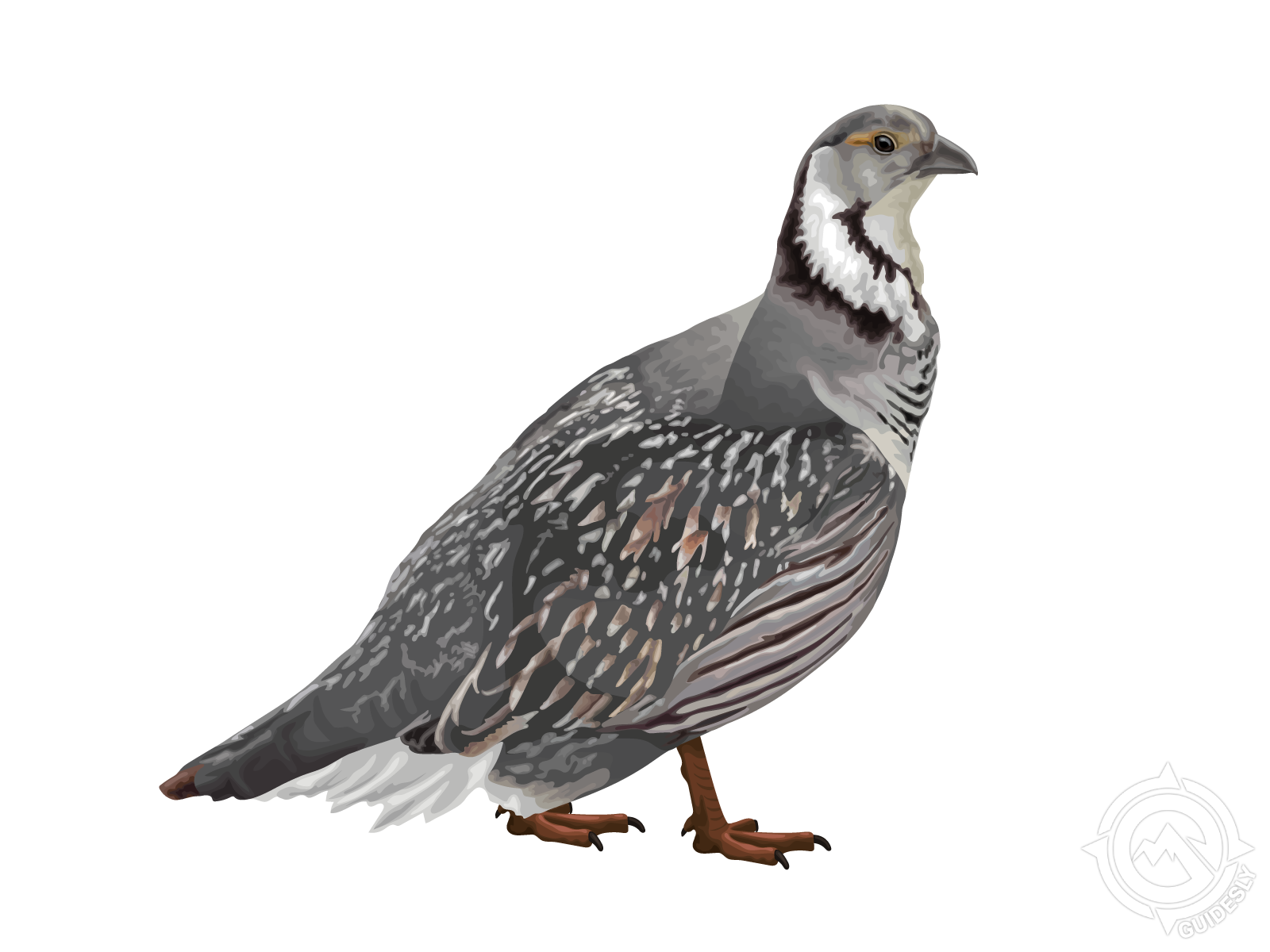 Himalayan Snowcock
- Experienced guide provides personalized hunting instruction and local expertise
- Prime hunting grounds offer trophy opportunities for all skill levels
- Equipment provided with flexible pacing for customized outdoor adventure
Trip Pricing and Availabilities :
Let's Hunt: Your Ultimate Hunting Adventure
Get ready for an action-packed hunting experience with Guidesly Suraj! We're talking about a one-of-a-kind trip that'll have you tracking some seriously cool game. Whether you're a seasoned pro or new to the hunt, we've got you covered. Our expert guides know all the best spots and tricks to help you bag that trophy you've been dreaming about. So grab your gear and let's hit the trails for an unforgettable day in the wild!
Inside the Hunt
This isn't your average day out in the woods. We're talking about a personalized, one-on-one hunting experience that'll knock your socks off. You'll be paired up with one of our top-notch guides who knows these hunting grounds like the back of their hand. We'll start bright and early, fueling up with a hearty breakfast before heading out. You'll get the lowdown on the local terrain, animal behaviors, and the best techniques to track and bag your game. Whether you're after the elusive Gray Fox or the majestic Grizzly Bear, we've got the know-how to make it happen. And the best part? It's just you and your guide, so you can go at your own pace and really soak in the whole experience.
Tracking Tips & Terrain
Listen up, folks - this hunt is no walk in the park. We're talking about diverse terrain that'll keep you on your toes. You might be creeping through dense forests one minute, then scaling rocky slopes the next. For our Gray Francolin and Himalayan Snowcock hunts, be ready for some serious altitude. We're talking high-elevation game that'll test your stamina and sharpshooting skills. For the Gray Fox and Grizzly Bear, we'll be covering a mix of woodland and open country. You'll learn how to spot tracks, interpret animal signs, and move silently through the brush. We use a mix of spot-and-stalk and ambush techniques, depending on the game and conditions. And don't worry about gear - we'll make sure you're kitted out with everything you need, from high-powered scopes to camouflage that'll make you vanish into the landscape.
Target Game Breakdown
Gray Francolin: These sneaky little birds are a real test of your reflexes. They're fast, they're small, and they blend in like nobody's business. We usually hunt these guys in the early morning or late afternoon when they're most active. They love to hang out in grassy areas and croplands, so be ready for some serious trudging through the brush. The best part? When you finally bag one, you're in for some seriously tasty eating.
Grizzly Bear: Now we're talking big game! Hunting grizzlies is not for the faint of heart, but man, is it a rush. These massive predators can weigh up to 1,500 pounds and stand 8 feet tall. We'll be looking for signs like scratched trees, overturned rocks, and fresh tracks. Spring and fall are prime seasons for grizzly hunting. Remember, with these beasts, safety is key - we'll make sure you're well-prepared and know exactly what to do in any situation.
Gray Fox: Don't let their size fool you - these clever canines are a real challenge to hunt. They're mostly nocturnal, so we'll be doing a lot of early morning and late evening stalking. Gray foxes are unique because they can climb trees, so keep your eyes up! They're most active in fall and winter, making for some crisp, beautiful hunting conditions. Their fur is prized for its beauty, and bagging one of these guys is a real feather in any hunter's cap.
Himalayan Snowcock: Talk about a rare trophy! These high-altitude birds are found in some of the most remote and rugged terrain out there. We're talking serious mountain climbing to get to these guys. They live above the tree line, so expect breathtaking views and thin air. Summer and early fall are the best times to hunt Snowcock. Their keen eyesight and tendency to flush at long distances make them a true test of your hunting skills. Bagging one of these is a real achievement that'll give you bragging rights for years.
Book Your Next Tag
Alright, hunters - are you pumped or what? This trip is the real deal - challenging game, breathtaking scenery, and the chance to push your skills to the limit. Whether you're after the adrenaline rush of a grizzly hunt or the precision challenge of bagging a Himalayan Snowcock, we've got you covered. Our expert guides, top-notch gear, and insider knowledge of the best hunting spots mean you're in for the hunting trip of a lifetime. Don't let this opportunity slip away - spots are filling up fast, and the perfect trophy is out there waiting for you. So what are you waiting for? Grab your boots, pack your sense of adventure, and let's make some hunting memories that'll last a lifetime. Book now and get ready for the hunt of your dreams!
Learn more about the animals
Gray Fox
Gray foxes are small, agile predators, typically weighing 8-15 pounds. Unlike their red cousins, they're excellent climbers and often take refuge in trees. You'll find them in diverse habitats from woodlands to brushy areas, even in semi-arid regions. These nocturnal hunters are most active at night, so we usually hunt them in the early morning or late evening. Fall and winter are prime seasons when their fur is at its best. Gray foxes are challenging quarry, known for their cunning nature and ability to quickly vanish into thick cover. Hunters prize them for their beautiful salt-and-pepper coat and the thrill of the chase. When calling gray foxes, I've found success using a combination of prey distress calls and fox vocalizations. Start soft and gradually increase volume - these cautious critters often circle downwind before committing, so stay alert and be ready for a quick shot.

Gray Francolin
The Gray Francolin is a medium-sized game bird, about the size of a small chicken. These birds prefer open grasslands and agricultural areas, often hiding in scrub and tall grass. They're most active in the early morning and late afternoon, so that's when we'll focus our hunts. Gray Francolins are known for their distinctive call and quick, explosive flight when flushed. Fall is typically the best season for hunting them, as the young birds from spring broods are more abundant. Hunters enjoy pursuing Gray Francolins for their challenging nature - they're fast flyers and can be tough to spot in dense cover. Their meat is also prized for its delicate flavor. When hunting these birds, I always recommend working with a good pointing dog. The dog's keen nose can locate birds hiding in thick vegetation, giving you a better chance at a successful hunt.

Grizzly Bear
Grizzly bears are massive creatures, with males weighing up to 800 pounds. They're found in remote, mountainous areas and dense forests. These bears are most active during dawn and dusk, especially in spring and fall. Spring, right after they emerge from hibernation, is often the best time for hunting as they're hungry and more visible. Grizzlies are known for their distinctive shoulder hump and long claws. They're apex predators with keen senses, making them a challenging and respected quarry. Safety is paramount when hunting grizzlies - always hunt with a partner and carry bear spray. Look for signs like tracks, scat, and claw marks on trees. Patience is key - we might spend days glassing mountainsides before spotting one. When setting up, choose an area with good visibility and multiple escape routes. Remember, a grizzly hunt is as much about the wilderness experience as it is about the trophy.

Himalayan Snowcock
The Himalayan Snowcock is a large, turkey-sized game bird native to the high mountains of Central Asia. In North America, they're found only in Nevada's Ruby Mountains, making them a unique and sought-after trophy. These birds inhabit rocky, alpine terrain above the treeline, typically at elevations over 10,000 feet. Hunting them is a real test of endurance and marksmanship. The season is short, usually in September, when the weather is milder at those altitudes. Snowcocks are wary birds with excellent eyesight, often spotting hunters before being seen. They're known for their distinctive, melodious call that echoes across the mountainsides. When hunting snowcocks, I always advise my clients to be in top physical shape - the terrain is unforgiving. We start our hikes well before dawn to reach the birds' feeding areas by first light. A good spotting scope is essential for locating these well-camouflaged birds among the rocks.